
| 67% Of Americans who got a massage in 2023, did it for health or wellness, not just relaxation (AMTA) | 19M+Adults in the US visited a licensed massage therapist in the past year | 54%Of the massage clients said it helped them manage or reduce chronic pain | 500–1,000+Hours of hands-on training required before an LMT can practice in most US states |
Nobody books a massage when they feel fine
Let’s be real; most people wait until something is actually wrong. The neck has been stiff for three weeks. The lower back started protesting somewhere around the second hour of sitting at a desk. The shoulders that apparently decided to live somewhere near their ears full-time. The tension has long been long-established by the time most people turn up to a licensed massage therapist session, and it is normal. And what might have been a 45-minute reset turns into real, steady work to relax.
This isn’t a ‘you should get more massages’ lecture. It’s just a straight answer to the question a lot of people have but don’t always ask: what does a licensed massage therapist actually do, and is it worth it? If you’re in Fort Smith or nearby and you’ve been on the fence, here’s the version without the spa marketing language.
‘Licensed’ isn’t just a word on a website; here’s what it actually means
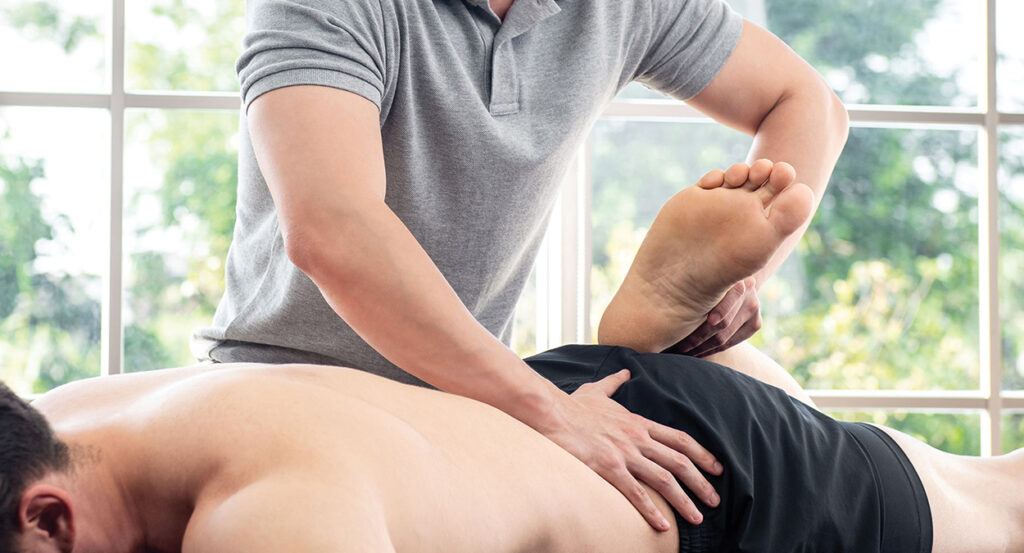
There’s a real difference between someone who took a weekend course and someone who spent 500 to 1,000+ hours learning anatomy, physiology, pathology, and hands-on clinical technique before ever working on a paying client.
A Licensed Massage Therapist (LMT) has graduated from a state-approved course and has passed a licensing exam – in most states, that is the MBLEx (Massage & Bodywork Licensing Examination), given by the Federation of State Massage Therapy Boards. They also retain their license by continuing with their education, and this is why they are not just living by what they learned five years ago.
Practically speaking, what that training gives them is clinical judgment. An LMT knows what contraindications look like, situations where massage could cause harm rather than help, like certain cardiovascular conditions, active inflammation, or recent injuries that need a different kind of care first. They know when to refer you to a physician instead of just working through something that shouldn’t be worked through.
You cannot counterfeit that with a calming room and some good music. It is not a good session with a competent LMT as it is a different one; they are reading what your tissue is actually doing, not merely following a set pattern.
Deep tissue, sports, couples, what each one is actually for
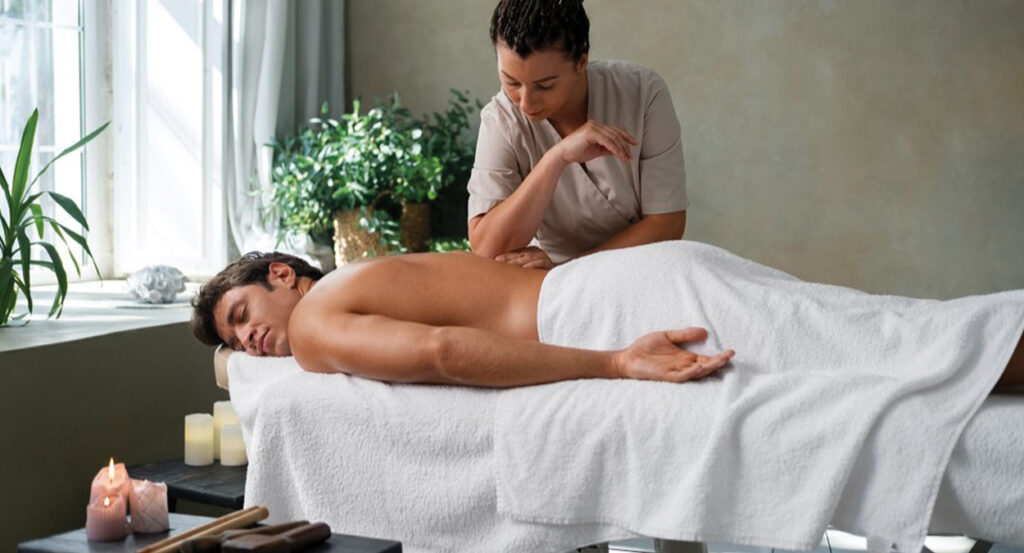
A massage is not a thing. Applying the inappropriate method to your case is similar to using a misplaced medicine; it may bring you a little relief in the short run, but it does not solve the issue at hand.
Deep Tissue Massage
Deep tissue massage is more focused on deep-lying muscles and the connective tissue in slower strokes and with continuous pressure. It is what most people grab when they experience chronic tension, postural problems, or even pain which will not go away despite the amount of stretching performed.
One thing to know: deep does not imply brutal. A therapist who equates ‘deep’ with ‘hard’ is missing the point. If you’re wincing and holding your breath, the pressure is counterproductive; your muscles brace instead of releasing. The goal is depth so that the tissue can actually respond to.
One of the studies released in the Journal of Alternative and Complementary Medicine concluded that deep tissue massage was more effective than relaxation massage in lowering systolic blood pressure, which says something about the systemic effects other than the tightness of the muscles.
Sports Massage
Sports massage is built around function, not relaxation. Before activity, it warms up the tissue and improves circulation. Subsequently, it assists in decreasing muscle soreness, which may take a long time to manifest, and accelerates healing. During the interim between training sessions, it focuses on the relevant areas of limitation that are silently constraining performance or exposing injuries.
Worth saying, you do not have to be a competitor in an event in order to enjoy the advantages of sports massage. Any person having physically demanding work, exercising routine, or a tendency to develop tightness in the same areas is likely to respond. Runners, bicycle riders, individuals who walk a lot at their workplace, sports massage is the answer to the type of wear-and-tear that accumulate overtime.
The American Massage Therapy Association (AMTA) notes that Sports massage has the potential to decrease recovery time, increase range of motion, and decrease perceived exertion during training, which has a practical implication on how often one can train.
Couples Massage
Two people. Same room. Two individual therapists, two different sessions occurring simultaneously. That is a couples massage- and the key element of that description is two separate sessions.
Each person gets individually tailored work. If one partner has a chronically tight upper back and wants focused deep tissue work, and the other wants something lighter, that’s exactly what happens. The shared experience is the point, not a compromise on what each person receives.
It’s become a popular way to introduce messages to someone who’s never tried it before. Turns out, having a familiar person in the room makes first-timers a lot more comfortable with the whole thing.
| Type of Massage | Best suited for |
| Deep Tissue Massage | Chronic tension, postural problems, pain that lighter work hasn’t touched |
| Sports Massage | Active people, pre/post-event recovery, recurring soreness from physical activity |
| Couples Massage | Shared experience, introducing a partner to massage, and personalized sessions in the same room |
| Swedish / Relaxation | Stress, tension headaches, general wellness, and first-time clients |
| Trigger Point Therapy | Specific ‘knots’ that radiate pain elsewhere, chronic tension headaches, and jaw tightness |
If you want to read the clinical literature yourself, NCCIH’s massage therapy overview is one of the more accessible summaries of what the evidence currently supports.
So which type of massage should you actually get?
Honestly? Should you be confused, then indicate so at the time of booking. It is not something that is embarrassing to say to them – a good, licensed massage therapist will enquire about your history, what is ailing you, and what you want to take out of the session before they lay a hand on you. The whole session is determined by that intake of conversation, and it is what you are paying to receive.
But if you want a rough framework before you walk in:
- Something has been tight or uncomfortable in a particular area for weeks – enquire about deep tissue massage, or trigger point work, where there has been a particular knot that has been recurring in the same location.
- You exercise regularly, and your issue is more about recovery or recurring soreness; sports massage is probably your starting point.
- You’re mostly stressed, not sleeping great, carrying tension without a clear physical cause, a relaxation-focused session often does more in that state than going straight to deep tissue work.
- You want to share it with someone; a couple’s massage lets both people get individually tailored sessions without anyone having to settle.
- You have no idea what you need, say that. A skilled LMT can assess what’s going on and adjust. You don’t need to arrive with a self-diagnosis.
| The best therapist for you is the one who asks questions before they start, adjusts based on what you tell them during the session, and doesn’t make you feel like you’re interrupting their routine when you give feedback. |
About Innerpeace Massage and Body Studio in Fort Smith
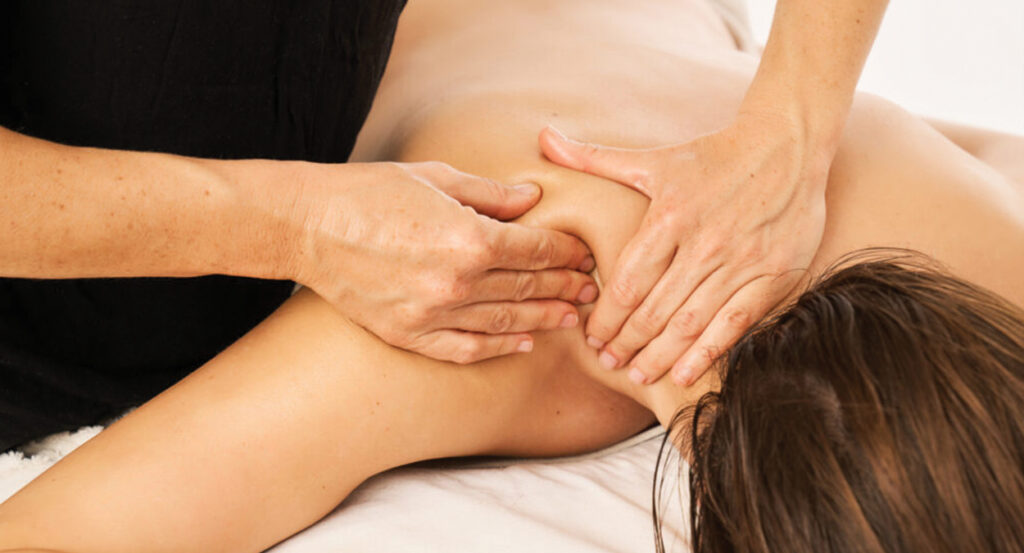
Innerpeace Massage and Body Studio is a licensed massage therapy practice in Fort Smith, AR. Every session is with a licensed massage therapist, not a trainee working toward licensure, not an unlicensed practitioner operating under someone else’s credentials.
| Dealing with chronic tension, recovering from activity, or just ready to book something for you and your partner? Innerpeace Massage and Body Studio is taking new clients in Fort Smith, AR. Every session is with a licensed massage therapist.Book your appointment at relaxinfortsmith.com |
FAQs
Q: How do I know if a massage therapist is actually licensed in Arkansas?
A: Ask them and then verify them. In Arkansas, massage therapists are licensed by the Arkansas State Board of Massage Therapy, and the board has a public license search. No valid LMT will be reluctant to give the license number. Answers that are vague concerning credentials are an excuse to reserve somewhere else.
Q: Is a deep tissue massage supposed to hurt?
A: No, and that is the most likely myth in massage. Deep work refers to prolonged effort on more muscle layers – this does not imply that it is painful. When you find yourself tensing or not breathing, the pressure is too high, and it is working against you. Good therapists make changes when you inform them that something does not feel good. Feedback is welcome at all times.
Q: Can one person get deep tissue and the other get something lighter during a couples massage?
A: Yes – that sort of thing. In a well-organized couples massage, each massage therapist is at work with his or her client. One individual may be given deep tissue work, and the other is given a light and more relaxation-oriented treatment. Simply give preferences during booking to enable both therapists to prepare.
Q: Does insurance ever cover massage therapy?
A: Occasionally- it depends so much on the plan and diagnosis. Certain insurance will also cover massage when it is prescribed as part of a treatment plan to address certain conditions, such as chronic back pain or after surgery. Before making either assumption, call your provider.
Q: What should you do after a session to get the most out of it?
Drink water, and don’t do something intense immediately. You might see some soreness for the next 24-48 hours after a deep tissue massage. Do light movement or gentle stretching in the hours after helps your body integrate the work.